What's That Beat is a weekly crate dig — twelve slept-on albums, pulled from the bins and written up every Thursday.
Each record comes with a few lines on why it earns a spin. Find one that sounds like you, hit play, and stash the keepers in your crate.
Filter12 of 12
No. 01
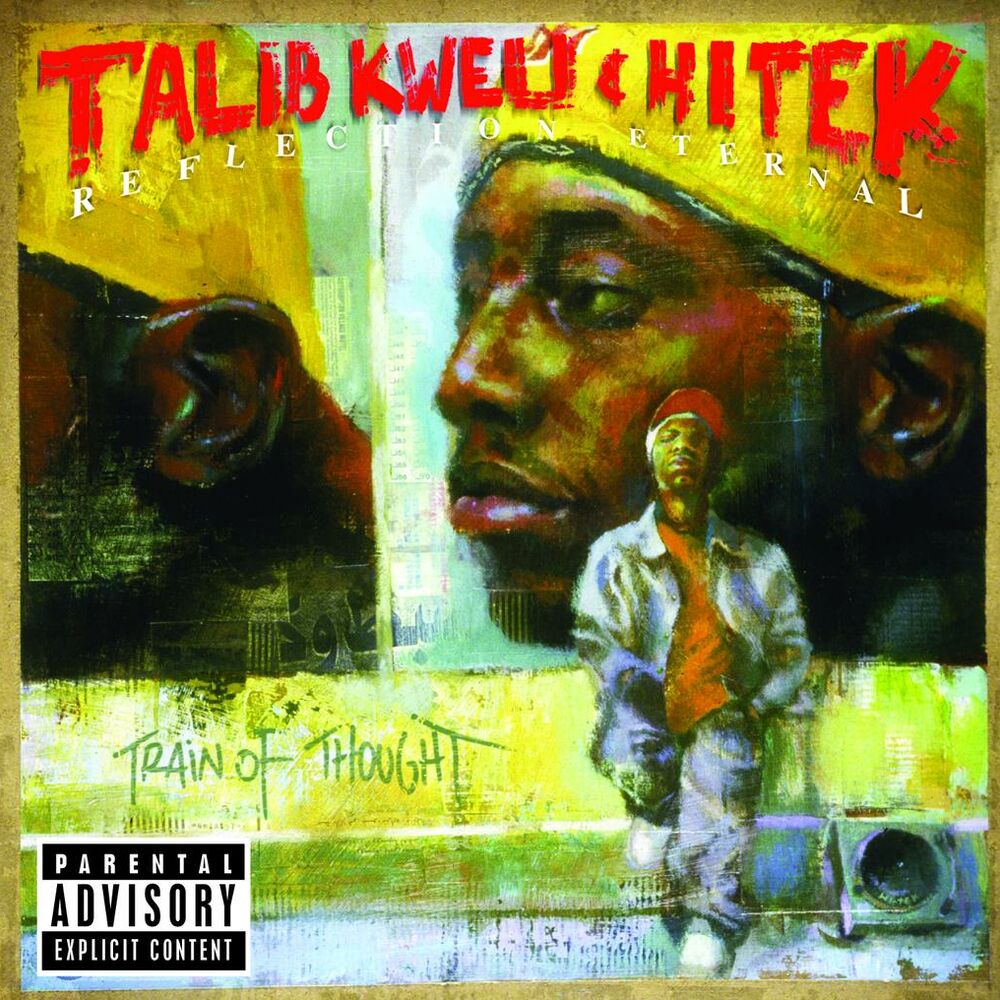
Train of Thought
Reflection Eternal
Underground Hip Hop
Talib Kweli's verses land dense and layered over Hi-Tek's soul loops, drums that snap instead of just thump. The samples breathe underneath him, horns and strings giving the low end some lift without softening it. Tracks like 'Ghetto Show' move like conversation, one idea leading straight into the next. It's a record built on writing first, and the production never gets in the way of that.

No. 02
Pieces of a Dream
Ohmega Watts
Jazz Rap
Ohmega Watts works in warm, mid-tempo loops, drums that sit back and let the keys do the talking. The Rhodes and organ tones give it a live-band feel even when it's clearly sample-built. Vocals drop in and out without taking over, more texture than centerpiece. It's a jazz rap record that trusts the groove to carry the weight.

No. 03
Smokers Delight
Nightmares on Wax
Trip-Hop & Downtempo
Thick, slow-motion grooves built for late nights and low lights, bass that rolls instead of hits. The drums are patient, almost lazy, letting the samples stretch out over long runtimes. 'Les Nuits' and 'Nights Introlude' set the tone early and the rest of the record just settles into it. Nothing rushes here, and that's exactly the point.
No. 04
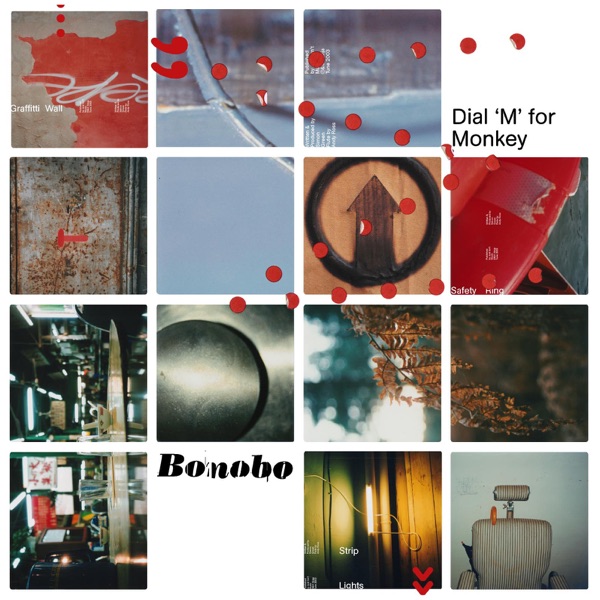
Dial 'M' for Monkey
Bonobo
Downtempo
Bonobo layers live instrumentation over programmed beats, upright bass and strings woven into breakbeats that never sit still for long. The arrangements shift constantly, moving from jazzy interludes to heavier, bass-driven stretches without losing the thread. Percussion stays busy throughout, giving the record a restless, exploratory feel. It rewards attention more than background listening.

No. 05
Modal Soul
Nujabes
Instrumental Hip Hop
Nujabes builds these tracks around soft piano loops and brushed drums, everything mixed with a lot of air around it. The samples feel handled with care, never chopped just to prove a point. 'Feather' and 'Reflection Eternal' (the track, not the group) show off how melodic his instrumental hip hop could get. It's a quiet kind of craft, more feeling than flex.

No. 06
Marcos Resende & Index
Marcos Resende & Index
Brazilian Jazz Funk
This one moves with a loose, funk-leaning groove, horns and keys trading lines over drums that stay tight in the pocket. The rhythm section carries a lot of the record's energy, syncopated bass lines pushing everything forward. Vocals and instrumental passages trade off without ever feeling disjointed. It's a Brazilian funk record built on chops rather than polish.

No. 07
Come With Me
Tania Maria
Brazilian Latin Groove
Tania Maria sings and plays piano with equal force, her phrasing sharp and rhythmic even when the melodies get playful. The band locks into fast, percussive grooves that lean more Latin jazz than pure samba. 'Come With Me' and 'Sementes' show how much ground she covers without losing momentum. Energetic from the first track to the last.

No. 08
Dark of Light
Norman Connors
Spiritual Jazz
Norman Connors leans into slow-building arrangements here, drums that stay soft and patient under layers of horns and keys. The mood stays spiritual and unhurried, closer to a meditation than a performance. Vocal passages drift in without breaking the pace, more texture than statement. It's a record that asks you to slow down with it.
No. 09
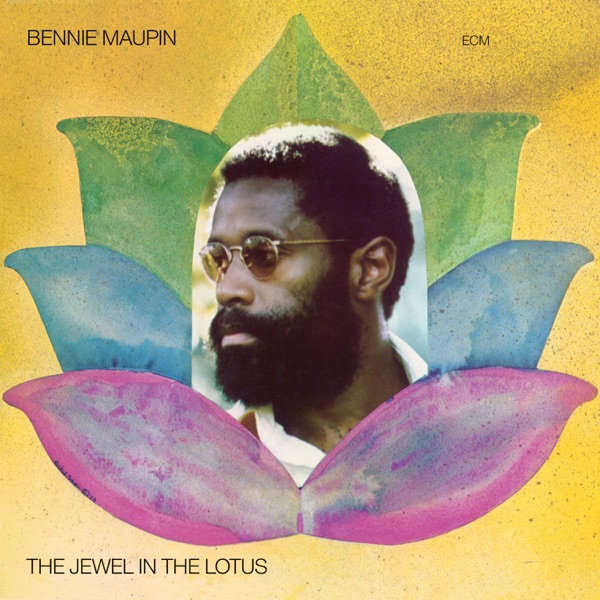
The Jewel in the Lotus
Bennie Maupin
Spiritual Jazz
Bennie Maupin's bass clarinet sets the tone immediately, dark and breathy over sparse percussion and open space. The arrangements feel improvised but controlled, drums and keys entering and dropping out like they're listening to each other. Nothing here is rushed or overplayed. It's spiritual jazz built on restraint rather than volume.

No. 10
The Art of Tea
Michael Franks
Soft Jazz Soul
Michael Franks sings in a relaxed, conversational tone over smooth, jazz-inflected arrangements built around Rhodes and light horn charts. The songwriting stays understated, more mood than message, letting the players carry the emotional weight. 'Popsicle Toes' shows off the loose, playful side of the record. Easy to underestimate at first, but it holds up on repeat plays.

No. 11
The Antidote
Ronny Jordan
Acid Jazz
Ronny Jordan's guitar work sits right in the pocket, clean and melodic over programmed drums and jazzy chord changes. The production leans acid jazz but keeps enough grit in the drums to stay grounded. Tracks move at a confident mid-tempo pace, never rushing to prove anything. The title cut still holds up as the record's clearest statement.
No. 12
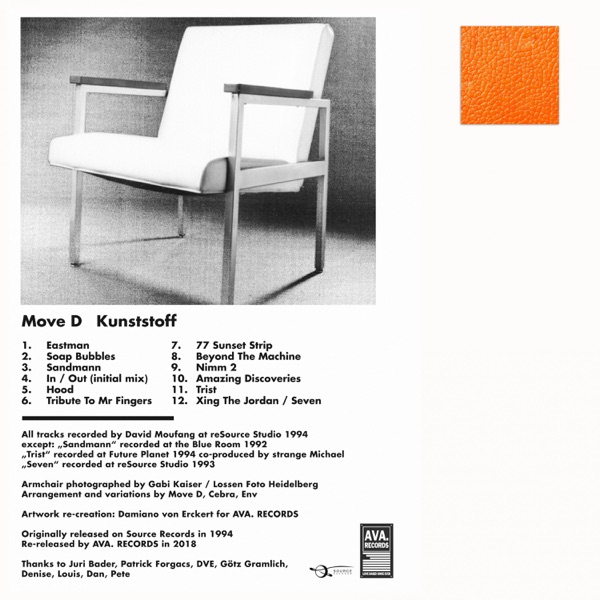
Kunststoff
Move D
Deep House
Move D builds these tracks around deep, rolling basslines and drums that stay locked in a steady, hypnotic pulse. The synths drift and loop patiently, more texture than melody, giving the record a late-night, club-ready feel. Little changes accumulate over long stretches instead of dramatic shifts. It's deep house built for extended, uninterrupted listening.
Use the arrows above (or ← → keys) to browse previous weeks' selections
Follow along with the RSS feed, or bookmark the archive — the next twelve land every Thursday.