What's That Beat is a weekly crate dig — twelve slept-on albums, pulled from the bins and written up every Thursday.
Each record comes with a few lines on why it earns a spin. Find one that sounds like you, hit play, and stash the keepers in your crate.
Filter12 of 12
No. 01
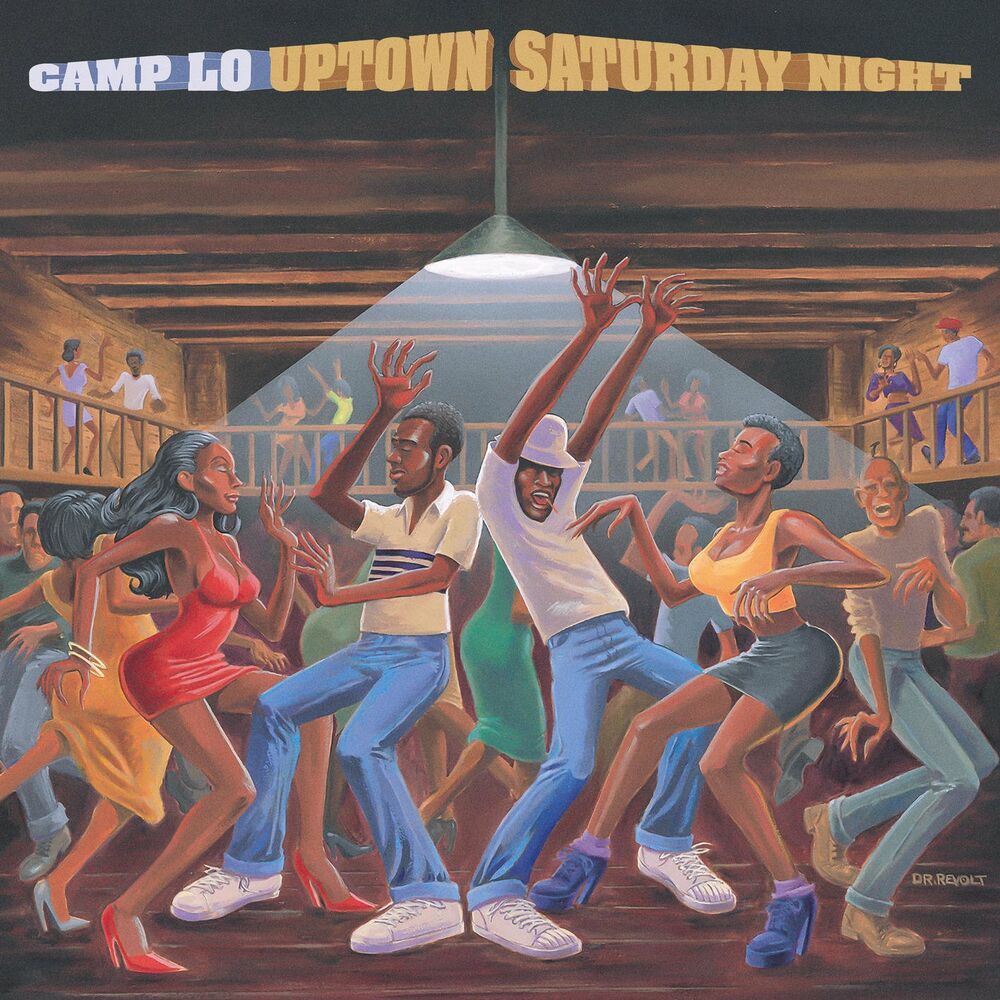
Uptown Saturday Night
Camp Lo
Underground Hip Hop
Geechi Suede and Sonny Cheeba talk in a slang half the record has to decode for you, and that's half the fun. Ski's loops are slick and warm, all soul-jazz samples chopped tight, but the pairing with Bootsie Alderman's blaxploitation-cool bars is what sets it apart from anything else in '97. Play "Sparkle" first. The whole record moves like it knows it's cooler than the room.
No. 02
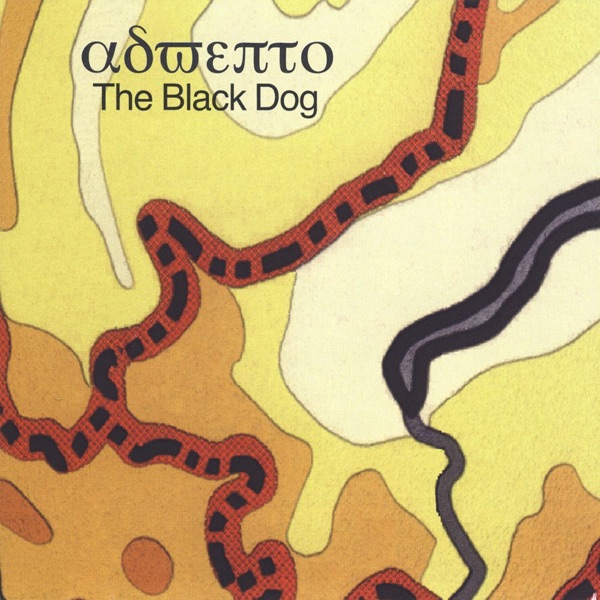
Music for Adverts (and Short Films)
The Black Dog
IDM & Electronic
Built for library-music use, which explains why every track feels like a mood cue instead of a song. That's the charm — short, precise, mechanical little pieces that flicker between IDM twitch and ambient dread. Nothing overstays its welcome. If you know the Black Dog from their club-adjacent work, this is the sketchbook side, colder and more clinical, and worth it for that alone.

No. 03
A Rainbow in Curved Air
Terry Riley
Electronic
Riley playing every overdubbed keyboard layer himself, building a loop that just keeps climbing — this is where minimalism stopped being academic and started grooving. The title track is the whole reason to own it: eighteen-plus minutes of organ and electric harpsichord spiraling without ever repeating the same way twice. "Poppy Nogood" on the flip is stranger, druggier, worth the patience.

No. 04
The Time Is Now!
Phil Ranelin
Spiritual Jazz
Self-released on Ranelin's own Tribe label, which tells you nobody else was going to put this out with its politics and its horns this loose. The trombone leads but the ensemble writing is the real flex — dense, gospel-rooted, unafraid of noise. "Vertical Aura" is the one that still gets sampled, and rightly so. Detroit spiritual jazz doesn't get more direct than this.

No. 05
New Direction
Gene Russell
Jazz-Funk
Russell's piano work here is understated almost to a fault, but that's what lets the rhythm section breathe. This is the record that launched Black Jazz as a label, and you can hear the mission statement in every bar — jazz-funk with a message, not just a groove. "Whole Lotta Love" flips the Zeppelin riff into something completely its own. Slept on because Black Jazz never had major distribution.
No. 06
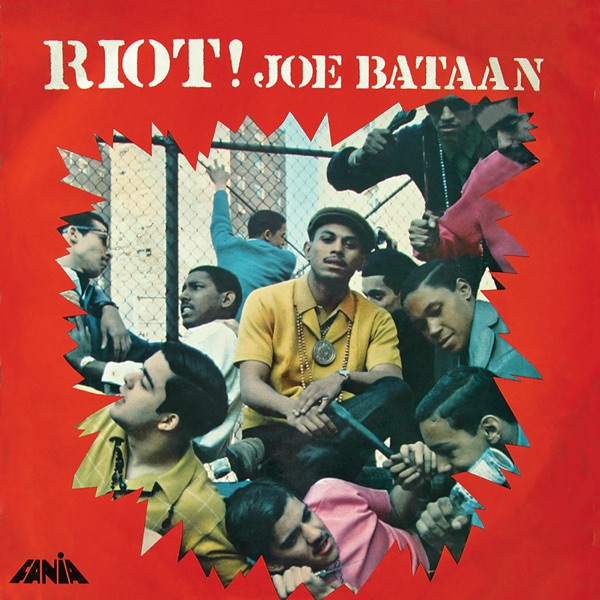
Riot!
Joe Bataan
Latin Soul
Bataan's second record for Fania and it's rougher and hungrier than the Latin soul that came after. The title track is a genuine centerpiece — horns stabbing, Bataan half-singing half-shouting about the neighborhood outside his window. This is boogaloo before it got smoothed out for wider consumption. Don't skip "Aftermath," the come-down after the title cut hits harder than you'd expect.

No. 07
Grey Hairs
Reks
Underground Hip Hop
Reks has always rapped like he's got something to prove, and on the title track he lays out a whole career's frustration in one verse — that's the best writing on the record, hands down. Statik Selektah and a handful of other Boston-area producers keep the boards boom-bap but not nostalgic about it. Deep cuts drag a little past the midpoint, but the opening run alone earns this a spot in the crate.
No. 08
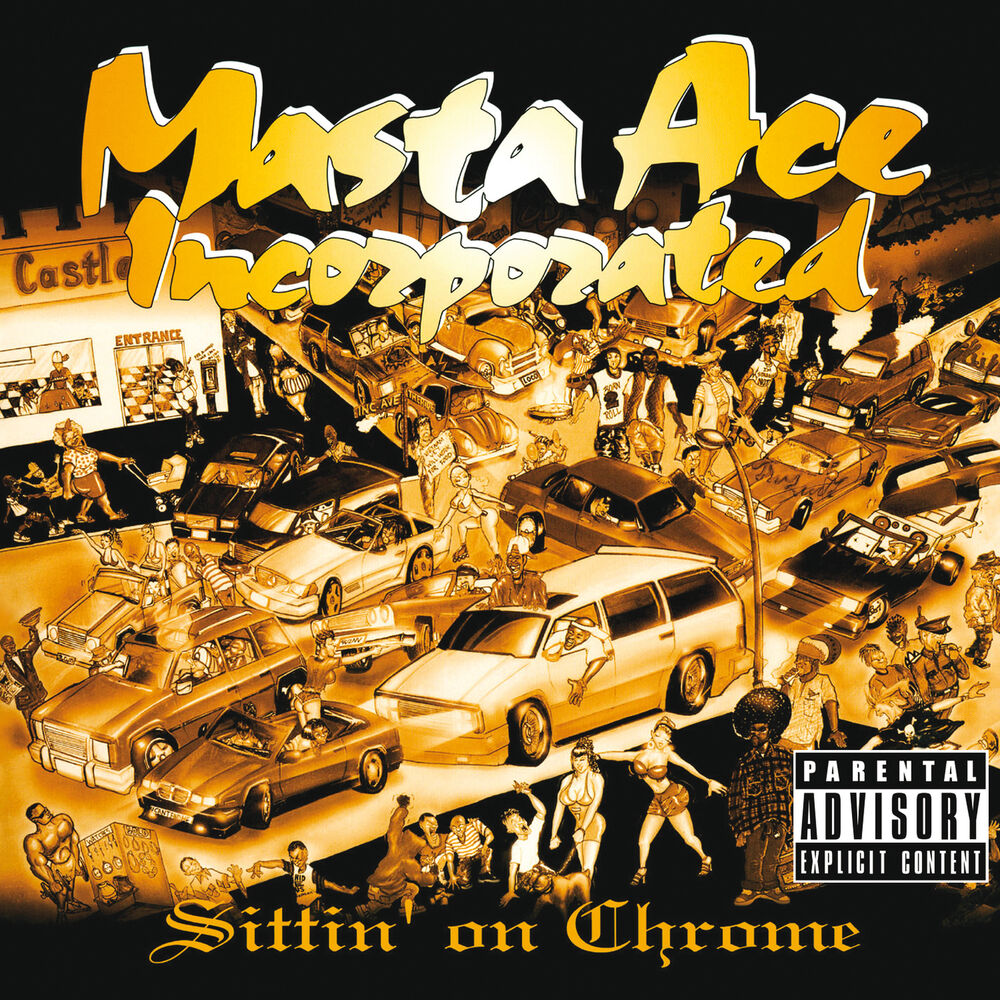
Sittin' on Chrome
Masta Ace
90s East Coast Boom Bap
The title track and "Born to Roll" are the ones everybody remembers, all bounce and car-culture bravado, but the back half is where Ace gets sharper and more personal. This is a concept record about status and survival dressed up as a lowrider anthem. Paul Nice, Ez Elpee and the rest keep the drums snapping instead of thudding. Underrated in the boom-bap canon mostly because the singles overshadowed the album.

No. 09
Doris Troy
Doris Troy
Soul
Recorded for Apple Records with a cast that includes Harrison and Clapton in the room, and you can hear the ambition in the arrangements — bigger, weirder than her earlier soul sides. "Ain't That Cute" is the standout, co-written with Harrison, all tension and release. It got buried under the label's bigger releases at the time, which is a shame because her voice carries every one of these tracks.

No. 10
Grooving Out on Life
Hopeton Lewis
Reggae
Lewis is often credited as one of the architects of rocksteady, and this record shows why — the tempo eases off ska's rush and lets the bass actually sit in the pocket. The title track glides, easy and unbothered, and it's the clearest statement on the whole album. Horns are used sparingly, which makes them count more when they show up. A quieter reggae record than most people expect.

No. 11
Modus Operandi
Photek
Electronic / Drum & Bass
Photek treats drum programming like sound design — every hi-hat and snare edit on "The Hidden Camera" is placed with a precision most jungle records don't bother with. This is drum and bass for people who think the genre peaked too fast and got sloppy; here it's controlled, almost paranoid in its cleanliness. "Ni-Ten-Ichi-Ryu" is the one to start with. Cold, technical, and still sounds ahead of most of what followed.

No. 12
Maim That Tune
Fila Brazillia
Downtempo
Two guys in Hull making downtempo that sounds nothing like the coffee-shop version the genre became known for — there's more low-end menace here than the mood-music label usually implies. Tracks stretch out and take odd turns; nothing is in a rush to resolve. Good for a late-night drive record, not background music, even if that's what it gets filed as. Deep cuts reward patience more than immediate hooks.
Use the arrows above (or ← → keys) to browse previous weeks' selections
Follow along with the RSS feed, or bookmark the archive — the next twelve land every Thursday.