What's That Beat is a weekly crate dig — twelve slept-on albums, pulled from the bins and written up every Thursday.
Each record comes with a few lines on why it earns a spin. Find one that sounds like you, hit play, and stash the keepers in your crate.
Filter12 of 12

No. 01
A New Shade of Blue
Harold Land
Jazz-Funk
Bobby Hutcherson's vibes are the secret weapon here, not Land's tenor, and once you clock that the whole record opens up. The title cut moves like it's underwater, all cushioned drums and Rhodes washing under the horns. This is West Coast jazz-funk that never gets loud about it. Play it back to back with anything on CTI and you'll hear how much more patient this one is.
No. 02
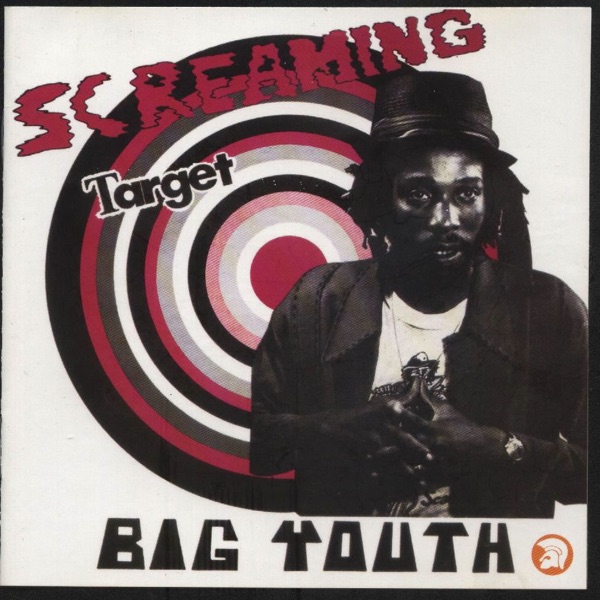
Screaming Target
Big Youth
Dub Reggae
Big Youth toasting over Gregory Isaacs and Dennis Brown riddims is the whole pitch, and the title track is the one that made his name. His voice cracks and jumps ahead of the beat in a way that still sounds unruly fifty years later. Skip nothing, but let 'S 90 Skank' be the one you play for someone who thinks toasting is just talking on a beat.
No. 03
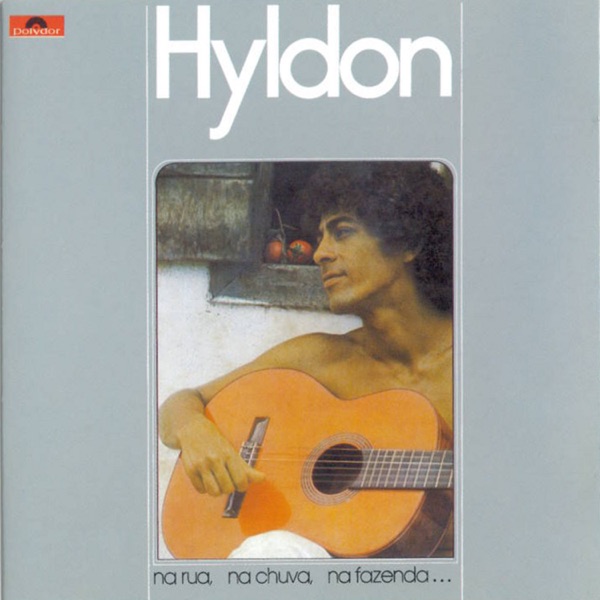
Na Rua, Na Chuva, Na Fazenda
Hyldon
MPB
Hyldon plays guitar like he learned soul chords straight off American radio, then bent them into something only Brazil could make. The grooves are soft-footed, almost lazy, but the vocal phrasing keeps pulling you back in. 'Na Rua, Na Chuva, Na Fazenda' the title track is the one that lingers — a slow-motion samba-soul hybrid that never needed to raise its voice.

No. 04
Rastafari
Ras Michael
Roots Reggae
This is Nyabinghi drumming pushed toward the front of the mix, hand percussion carrying as much weight as any bassline. Ras Michael's chanting isn't performance, it's ceremony, and the record asks you to sit with that instead of dance through it. The Sons of Negus back him with a patience that most roots reggae from this period doesn't bother with. Not casual listening — but worth the commitment.

No. 05
The Unstable Molecule
Isotope 217
Nu Jazz
Members of Tortoise and the Chicago post-rock scene playing jazz that refuses to sit still — that's the setup, and it works because nobody here is precious about genre. 'Beneath the Undertow' stretches out with electric piano and drums that keep threatening to fall apart without ever doing it. Thrill Jockey put this out at exactly the right label for exactly the right city. Loose but never sloppy.

No. 06
Human
Freeform
IDM
IDM that leans melodic instead of chasing pure texture, which is why it holds up better than a lot of its peers from the same run of labels. The drum programming clicks and skitters but never buries the melody underneath it. There's a warmth in the pads that keeps this from turning cold and clinical the way so much of this scene did. Deep cut for headphones, late at night.

No. 07
Atol Scrap
Arovane
IDM
Uwe Zahn built this on City Centre Offices, and it sits closer to ambient techno than to the glitch acts he got lumped in with. The clicks and cuts are there, but they're in service of melody, not showing off. 'Tetrachord' is the one that proves the point — a simple keyboard figure repeated until the small changes start to feel enormous. Patience pays off here.
No. 08
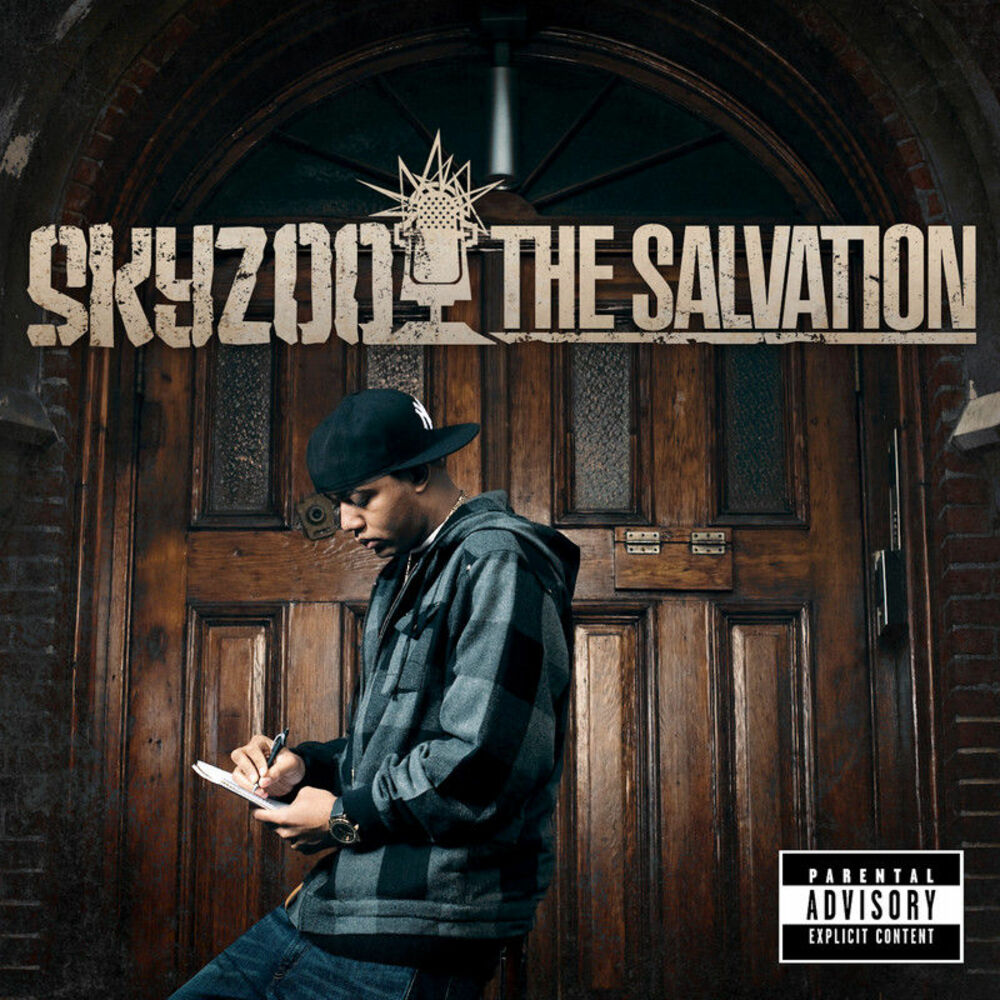
The Salvation
Skyzoo
Boom Bap Hip Hop
Skyzoo raps like he's still mad nobody noticed how good the Jansport J and 88-Keys beats were on this. Boom bap that leans jazzy without ever going soft, and his pen is sharper than the rollout this record got. 'The Cost of Living' is the one worth running back — dense bars over a beat that just refuses to get in the way. Slept on because Brooklyn had too many rappers that year.
No. 09
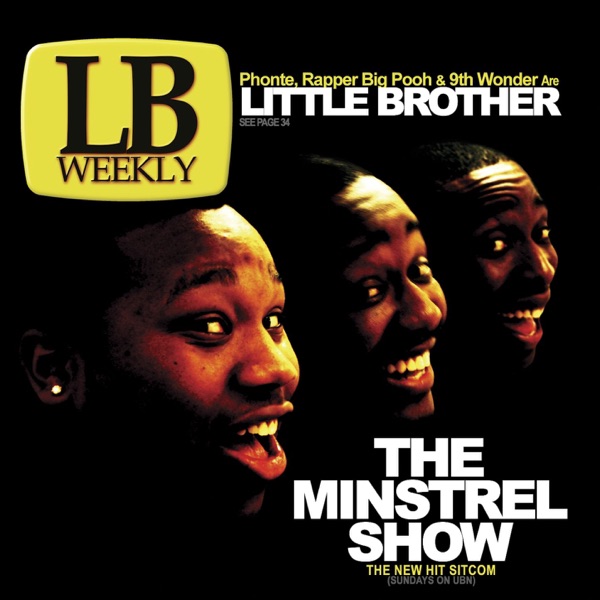
The Minstrel Show
Little Brother
Underground Hip Hop
9th Wonder's soul-sample production is the backbone, but the concept — a fake TV network satirizing rap's minstrel tendencies — is what got this one talked about for the wrong reasons. Atlantic barely pushed it, and Phonte and Pooh sound like they knew it. 'Lovin' It' is the best marriage of beat and verse on the record. Underground hip hop that aged into exactly the classic it wanted to be.

No. 10
What Color Is Love
Terry Callier
Soul & Folk
Charles Stepney's arrangements turn this into something bigger than soul-folk — strings and vocal layering that build like church music without ever naming it that. The title track is the emotional center, seven minutes that never feel padded. Callier's voice does more with restraint than most singers do at full volume. Cadet Records didn't know how to sell this, and that's exactly why it stayed a secret too long.

No. 11
Gal Costa
Gal Costa
Brazilian & MPB
Tropicália at its most unguarded — Gal Costa's voice stretching over arrangements that jump from baroque strings to fuzzed-out guitar without warning. 'Baby' is the one everybody remembers, and it earns it, but 'Namorinho de Portão' has the bounce that makes the whole record move. Recorded in the thick of the movement's peak, right alongside Os Mutantes and Caetano. Brazilian pop that still sounds like it's taking risks.

No. 12
Rejuvenation
The Meters
Funk
New Orleans funk doesn't get tighter than this — Zigaboo Modeliste's drumming alone is a masterclass in leaving space. 'Just Kissed My Baby' is the reason the record gets sampled forever, that bassline sitting so far in the pocket it barely moves and still hits harder than anything faster. Skip around all you want, but that groove is the whole record's center of gravity.
Use the arrows above (or ← → keys) to browse previous weeks' selections
Follow along with the RSS feed, or bookmark the archive — the next twelve land every Thursday.