What's That Beat is a weekly crate dig — twelve slept-on albums, pulled from the bins and written up every Thursday.
Each record comes with a few lines on why it earns a spin. Find one that sounds like you, hit play, and stash the keepers in your crate.
Filter12 of 12

No. 01
Soul on Ice
Ras Kass
West Coast Hip Hop
"Nature of the Threat" is the reason this record still gets brought up — six minutes of rapid-fire history lesson over a beat that just sits back and lets him work. Kass raps like he's got something to prove on every verse, dense multisyllables, no hooks wasted. The rest is solid West Coast boom bap, but that one track alone justifies the whole thing. Skip nothing, but that's the one you play first.

No. 02
The Gin Diaries
Suff Daddy
Instrumental Hip Hop
Suff Daddy was working the Berlin beat scene while everyone was watching Stones Throw, and that timing is probably why this one slipped past most crates. The drums hit hard but stay loose, loops chopped just enough to keep you guessing where the one is. There's no filler here — every cut runs two, three minutes and gets out before it wears thin. Headphones on, start to finish.
No. 03
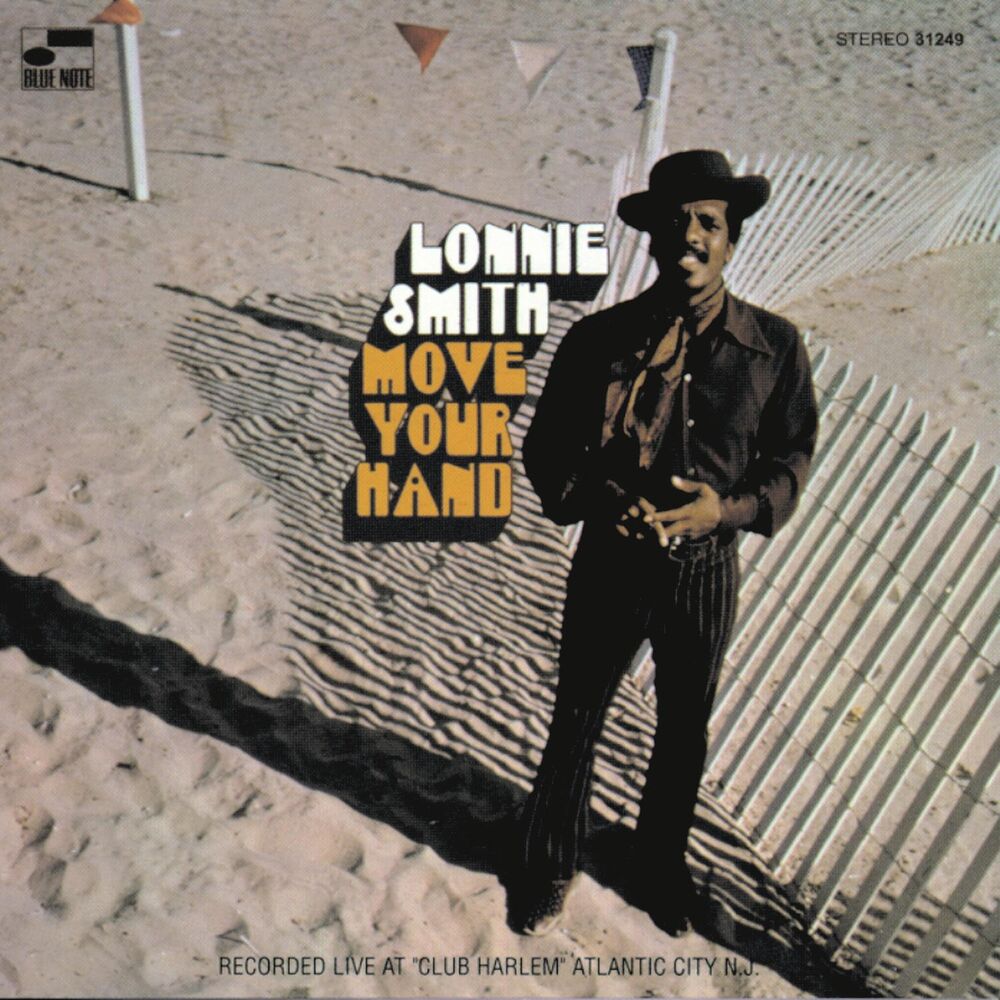
Move Your Hand
Lonnie Smith
Soul Jazz
This one was cut live, and you can hear it — crowd noise, a band stretching out because nobody's watching the clock. The title track runs long, Lonnie's organ circling the same riff until it turns hypnotic. It's soul jazz built for dancing, not sitting still. If you only know Lonnie Smith from later reissues, start here.

No. 04
Journey in Satchidananda
Alice Coltrane
Spiritual Jazz
Pharoah Sanders' soprano sax is what pulls this one out of new-age territory and into something heavier. Alice's harp glides over a tanpura drone that never resolves, and the title track just floats — no hooks, no drums pushing you forward, just tension that sits with you. It's spiritual jazz in the most literal sense, recorded like a meditation instead of a session. Not background music, even though it sounds like it could be.

No. 05
Two Headed Freap
Ronnie Foster
Jazz-Funk
"Mystic Brew" is the track everybody knows even if they don't know they know it — Tribe Called Quest flipped it decades later for "Electric Relaxation." But the whole record holds up on its own, Foster's organ riding tight funk drums and horns that never overstay. Blue Note put real budget behind this one and it shows in the arrangement. Play the title track back to back with "Mystic Brew" and hear where the crate diggers have been mining for years.

No. 06
Marcus Garvey
Burning Spear
Roots Reggae
Winston Rodney doesn't so much sing as chant, and on the title track that chant carries the weight of an actual history lesson. The Studio One rhythm section is locked in tight — that bassline is one of the heaviest in roots reggae, full stop. This is Jamaican music with a political spine, not vibes for vibes' sake. Side one alone is worth the whole record.
No. 07
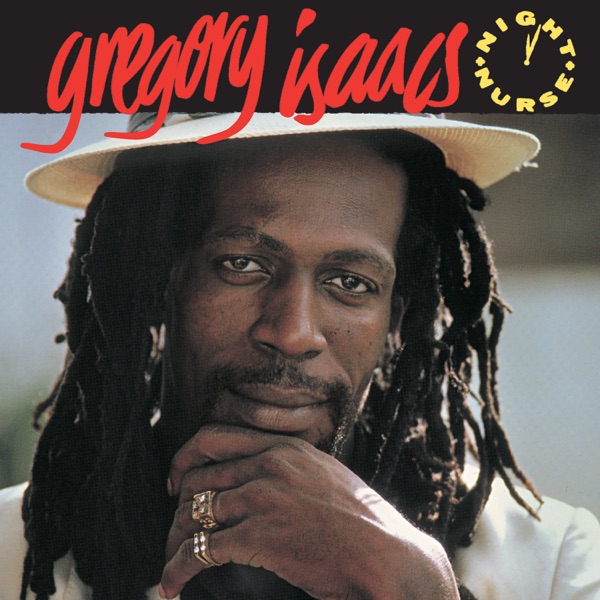
Night Nurse
Gregory Isaacs
Lovers Rock
The title track crossed over for a reason — a rocksteady-smooth vocal over a riddim built for late nights, no rush anywhere in it. Isaacs sings like he's got nothing to prove, letting the band do the work underneath him. Lovers rock gets a bad rap as background music, but the bass here is doing real work if you listen close. Put on "Night Nurse" and you'll understand why it still gets spun in clubs that don't even play reggae.

No. 08
Every Day
The Cinematic Orchestra
Nu Jazz
This one lives or dies on "All That You Give," and honestly, it lives — that vocal turn is the emotional center of the whole record. Everywhere else it's a live band chasing a downtempo, jazz-inflected mood, strings and horns swelling under samples instead of the other way around. It can drag if you're not in the mood for it. But when it clicks, especially on the closer, nothing else sounds like this.
No. 09
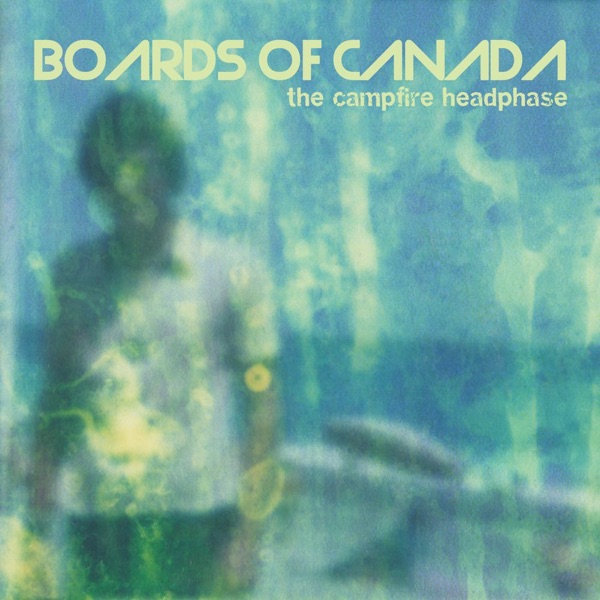
The Campfire Headphase
Boards of Canada
Electronic
This is the one where they brought actual guitars in, and it changes the texture of everything — warped, hazy, almost folk-adjacent under all that tape hiss. "Dayvan Cowboy" is the clear highlight, drums kicking in halfway through like the record's finally waking up. It's a slower, more melodic Boards of Canada than the earlier crowd expected, and some people never forgave them for it. I think it's one of their best.

No. 10
Trionisphere
Kerri Chandler
Deep House
Three discs deep and Chandler never runs out of ideas, which is the whole trick of this one. New Jersey house built on real keys and a bassline that just will not let go, especially on the earlier cuts where the groove barely moves and doesn't need to. This isn't a record for skimming — it rewards sitting through a whole side. Deep house at its most patient, and its most physical.

No. 11
Alone Together
Karriem Riggins
Instrumental Hip Hop
Riggins was Dilla's friend and drummer before he was anything else, and you can hear that lineage all over this beat tape — off-kilter snares, chopped soul loops, nothing overstaying its welcome. Stones Throw put it out and it barely made noise outside the crate-digger circle, which is its own kind of shame. Nothing here runs longer than three minutes, and that's by design. Run the whole thing twice before you decide which beat is your favorite.

No. 12
Africadelic
Manu Dibango
Afro-Funk
Dibango's sax and that thick, popping bassline are doing the same job "Soul Makossa" would do a year later — funk built from a Cameroonian foundation instead of an American one. The horns here get more room to stretch out than on his more famous singles. This is dance music first, and it doesn't apologize for it. If you like your afro-funk loose and horn-heavy, start with the title track and don't stop.
Use the arrows above (or ← → keys) to browse previous weeks' selections
Follow along with the RSS feed, or bookmark the archive — the next twelve land every Thursday.