What's That Beat is a weekly crate dig — twelve slept-on albums, pulled from the bins and written up every Thursday.
Each record comes with a few lines on why it earns a spin. Find one that sounds like you, hit play, and stash the keepers in your crate.
Filter12 of 12

No. 01
Butterflies
Finn Peters
Nu Jazz
Finn Peters plays flute like he's trying to sneak past the drums instead of lead them, and that's what makes this work. The rhythm section locks into something closer to broken beat than straight jazz, especially on the title track where the groove keeps shifting under him. It's not background music even though it could fool you for a minute. Give the back half your full attention.

No. 02
The Awakening
Lord Finesse
90s East Coast Boom Bap
Finesse had already proved himself as a rapper by '95, but this record is really a producer's flex with bars attached. The DITC chemistry is all over it — Diamond D and Showbiz adjacent in spirit even when they're not on the boards. Play "Yes You May" remix and then tell me the horn stab isn't the best four bars of sampling on the whole tape. Dense, boom bap at its most unbothered.

No. 03
Jean Carne
Jean Carne
Soul
Jean Carne's voice has this operatic reach that most soul singers don't even attempt, and on "Don't Let It Go to Your Head" she uses every inch of it. The Philly International-adjacent arrangements give her room — strings swell, but they never bury her. This one got overshadowed by the bigger Philly Soul names on bigger labels that year. Her range alone should've made her a household name.

No. 04
Nuyorican Soul
Nuyorican Soul
Latin Groove
Masters at Work built this as a love letter to Latin jazz, boogaloo, and disco all at once, and somehow it never feels like a history lesson. George Benson and Roy Ayers show up as guests, but the real stars are the rhythm arrangements — congas and horns trading space like a live band, because mostly it was one. "It's Alright, I Feel It" is the one that gets people moving first. Deep enough to get lost in for an hour.
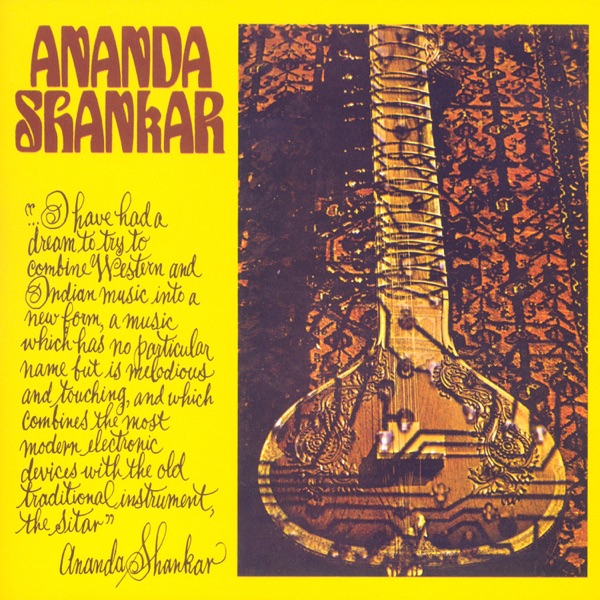
No. 05
Ananda Shankar
Ananda Shankar
World Groove
Sitar over a Moog synthesizer sounds like a gimmick until you hear "Jumpin' Jack Flash" done this way — it shouldn't work and it completely does. Ananda Shankar was chasing something nobody else was chasing in 1970, East and West smashed together without asking permission. The psych-rock crowd found this decades later through samples and reissues, long after it flopped on arrival. Still sounds like nothing else from that year.
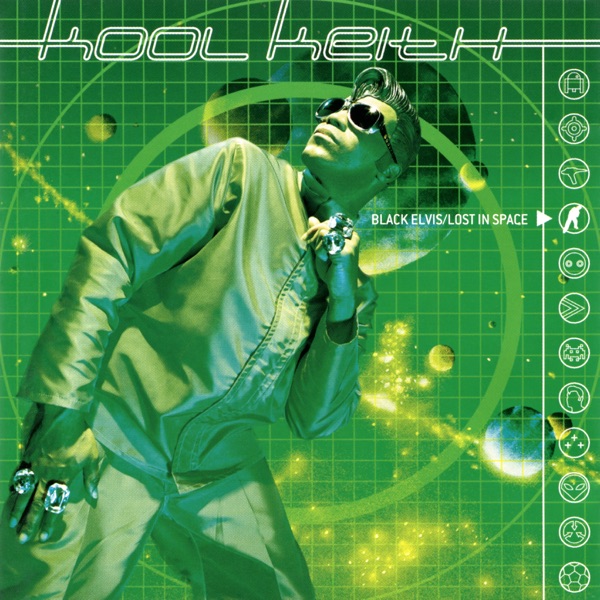
No. 06
Black Elvis / Lost in Space
Kool Keith
Underground Hip Hop
Keith's whole thing is that he doesn't care if you follow the plot, and this record leans into that harder than Dr. Octagon did. The beats here are spacier and more synthetic, almost sci-fi lounge at points. "Livin' Astro" is the track that sums up the whole record — absurd, funky, completely sure of itself. Not for everyone, but if you're in, you're all the way in.

No. 07
Shout It Out
Patrice Rushen
Jazz-Funk
Before she went pop with "Forget Me Nots," Rushen was writing dense, chord-heavy jazz-funk like this, and it's a different kind of good. She's playing keys like a jazz musician who happens to love a groove, not the other way around. The title track moves, but it's the slower cuts where her piano work really shows off. An album for people who think fusion got a bad reputation it didn't earn.

No. 08
Daily Operation
Gang Starr
90s East Coast Boom Bap
This is the one between "Step in the Arena" and "Hard to Earn" that doesn't get talked about enough, and that's a crime given how tight it is. Premier's loops are stripped down and mean — "Ex Girl to Next Girl" flips a sample so smooth it barely sounds chopped. Guru's delivery is flat on purpose, deadpan over drums that hit like a slap. No filler, no skits that overstay their welcome.

No. 09
Expresso 2222
Gilberto Gil
MPB
Gil made this right after coming back from exile in London, and you can hear both places in it — tropicália's wildness toned down into something more direct. "Back in Bahia" is the one that explains the whole record: homecoming as a groove, not just a lyric. The arrangements are lighter than his earlier work but no less sharp. A record about return that actually sounds like it's arriving somewhere.

No. 10
Ambrosia
Byron the Aquarius
Deep House
Byron the Aquarius comes out of the same lineage as Dilla-indebted beatmakers but his chords lean more spiritual jazz than boom bap. This is deep house built on live-sounding keys instead of just loops, and the pacing never rushes toward a drop the way a lot of dance records do. "Yesterday's Dreams" is the standout — it breathes. A small label release that deserved way more ears than it got in 2019.

No. 11
People... Hold On
Eddie Kendricks
Soul
Fresh off leaving the Temptations, Kendricks made a record that's half ballad, half dancefloor, and the title track is the one that got sampled into a second life decades later. His falsetto is the whole instrument here — delicate, but it cuts through those string arrangements without strain. The proto-disco pulse on some of these cuts predates what would blow up later in the decade. Skip nothing, but start with the title cut.

No. 12
My World
Lee Fields
Soul
Lee Fields earned the James Brown comparisons honestly, grinding for decades before records like this one got him proper attention. The backing band here plays tight and raw, more live-sounding than most modern soul revival stuff bothers to be. "Honey Dove" is the ballad that shows what his voice can do when it's not shouting — cracked, aching, completely convincing. Funky Soul isn't trying to be retro here, it just sounds like what's actually in him.
Use the arrows above (or ← → keys) to browse previous weeks' selections
Follow along with the RSS feed, or bookmark the archive — the next twelve land every Thursday.