What's That Beat is a weekly crate dig — twelve slept-on albums, pulled from the bins and written up every Thursday.
Each record comes with a few lines on why it earns a spin. Find one that sounds like you, hit play, and stash the keepers in your crate.
Filter12 of 12

No. 01
UN or U Out
The UN
Hardcore Hip Hop
Ill Bill and Goretex rapping over beats that hit like they were built for a car with a blown speaker — nothing here is polished and that's the draw. "One For the Trouble" is the one that stops you cold, all menace and no chorus. This didn't get a real push when it dropped and it still hasn't; that's the whole story.

No. 02
Ocean
Bola Sete
Brazilian Groove
Solo guitar record, no band, just Bola Sete's hands doing the work of a whole rhythm section. It's meditative but never static — listen to how the right hand keeps pushing the tempo forward even on the slower pieces. Not a party record. Put it on when the room needs to get smaller.

No. 03
Garra
Marcos Valle
MPB
This came right after the bossa cooled off and Valle started chasing something funkier, and you can hear the gears shifting mid-album. The title track has a horn arrangement that just refuses to sit still. Side two drags a touch compared to the opener, but Valle's voice carries it — he sells conviction even on the weaker cuts.
No. 04
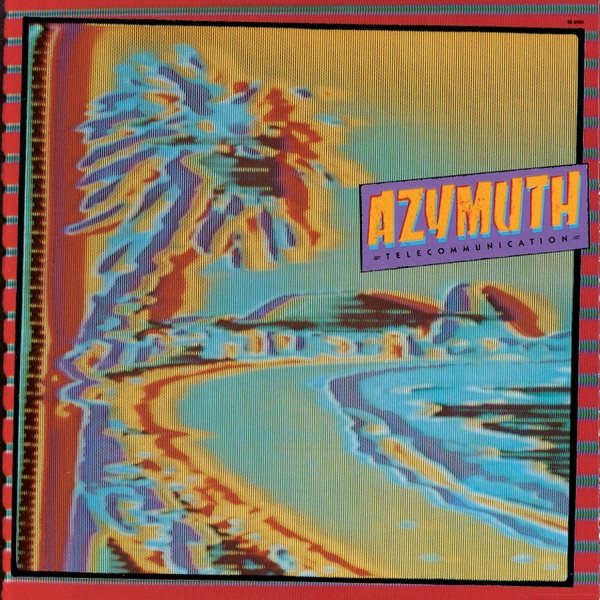
Telecommunication
Azymuth
Brazilian Jazz-Funk
Azymuth plugged in harder here than on their earlier records, and the synth work on the title cut is the reason. Ivan Conti's drumming never overplays — he lets the groove breathe while Jose Roberto Bertrami's keys do all the talking. If you know them from "Jazz Carnival" this is the record where they got weirder and better.

No. 05
The Boss Is Back!
Gene Ammons
Jazz-Funk
Ammons coming off a prison stint and blowing like he's got something to prove — the tenor tone alone tells you this isn't a comeback record phoning it in. "Jungle Strut" is the cut that gets sampled and for good reason, that bassline never lets up. Skip nothing here, honestly, it's front to back a workout.

No. 06
Blackstone Legacy
Woody Shaw
Spiritual Jazz
Double LP, and it needs every minute of it — this is Shaw stretching out with a band that includes Chick Corea and letting the trumpet lines get genuinely strange. The title track builds for nine minutes before it really opens up. Patience is the whole ask here, and it pays off if you let it run.
No. 07
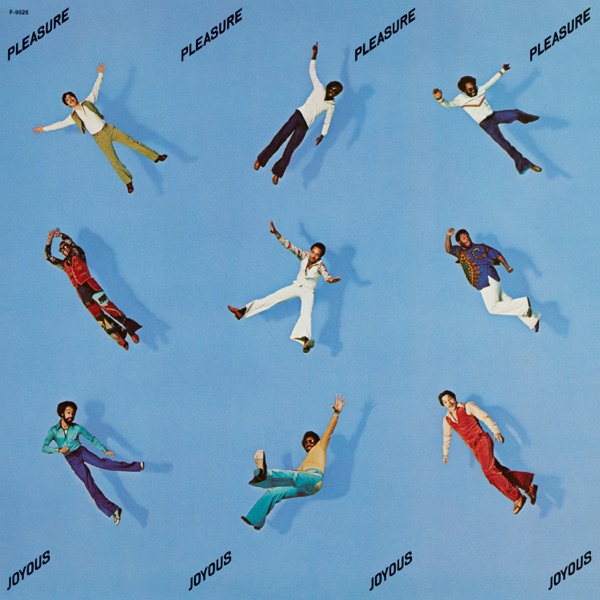
Joyous
Pleasure
Jazz-Funk
A Northwest funk band nobody outside the crate-digging world talks about enough, and "Glide" is the reason — that bassline is pure silk, one of the smoothest things you'll hear from this era. The horn charts are tight without being stiff. It's a groove record, not a songwriting showcase, and it knows exactly what it's good at.

No. 08
African Roots Act 1
Wackies Rhythm Force
Dub
Lloyd "Bullwackie" Barnes running a dub operation out of the Bronx, which already tells you this isn't Kingston polish — it's rougher, stranger, more homemade, and that's exactly why it hits different. The reverb on the drums sounds like it's bouncing off apartment walls. Low-budget in the best way; the echo does more work than any of the players.

No. 09
Northern Sulphuric Soul
Rae & Christian
Trip-Hop
Manchester trip-hop that never got the attention the Bristol scene did, which is a shame because the drums on this are heavier than half of what came out of Bristol that year. "Sweet Soca Suite" is the standout, all loose percussion and a bassline that just rolls. Late-night record, no question — side B is where it really settles in.

No. 10
Ambivalence Avenue
Bibio
Electronic
Bibio jumping between folky guitar loops and full-on electronic funk track to track, and somehow it holds together. The title track and "Jealous of Roses" could be by two different artists, and that's the appeal — you never know what's coming next. "Fire Ant" is the one with the sharpest groove, a real head-nod moment buried in an otherwise gentle record.

No. 11
Wind
Gigi Masin
Ambient
Ambient before ambient had a real crate section, made on a shoestring budget in Venice and it shows in the best way — everything's a little soft around the edges, like it was recorded through glass. "Clouds" barely moves and that's the point. Play this at the end of the night when nobody wants words anymore.

No. 12
Multila
Vladislav Delay
Dub Techno
Sasu Ripatti stretching dub techno into something almost liquid — the low end on this barely resolves into a beat, it just hovers. This is not a record for the dancefloor, it's headphones-in-the-dark territory. The sequencing never rushes; tracks bleed into each other so you lose track of where one ends. Demanding, but the payoff is real if you sit with it.
Use the arrows above (or ← → keys) to browse previous weeks' selections
Follow along with the RSS feed, or bookmark the archive — the next twelve land every Thursday.