What's That Beat is a weekly crate dig — twelve slept-on albums, pulled from the bins and written up every Thursday.
Each record comes with a few lines on why it earns a spin. Find one that sounds like you, hit play, and stash the keepers in your crate.
Filter12 of 12

No. 01
The Preface
Elzhi
Underground Hip Hop
Elzhi packs dense internal rhymes into loops that stay simple, letting the words carry the weight. The drums sit low and steady, giving him room to stretch syllables without rushing the beat. "Motown 25" turns a soul sample into something reflective instead of nostalgic. It's a Detroit rap record built on craft, not flash, and it holds up because the writing never lets up.

No. 02
Watts Happening
Ohmega Watts
Jazz Rap
Ohmega Watts blends live-feeling breaks with jazz chords that never sound stiff or studied. Horns and Rhodes drift through the mix while the drums keep a loose, head-nod pace. The record moves like a mixtape but plays like a full session, each track flowing into the next. It's easy to let the whole thing run without reaching for skip.

No. 03
No Man's Land
Souls of Mischief
West Coast Hip Hop
This one trades the loose bounce of their debut for tighter, more layered production. The drums hit harder and the group trades verses with sharper chemistry, each rapper carving out space instead of crowding it. Samples come in dense but never muddy, and the sequencing keeps the energy moving from track to track. It's a record that rewards paying attention to the interplay as much as the beats.
No. 04
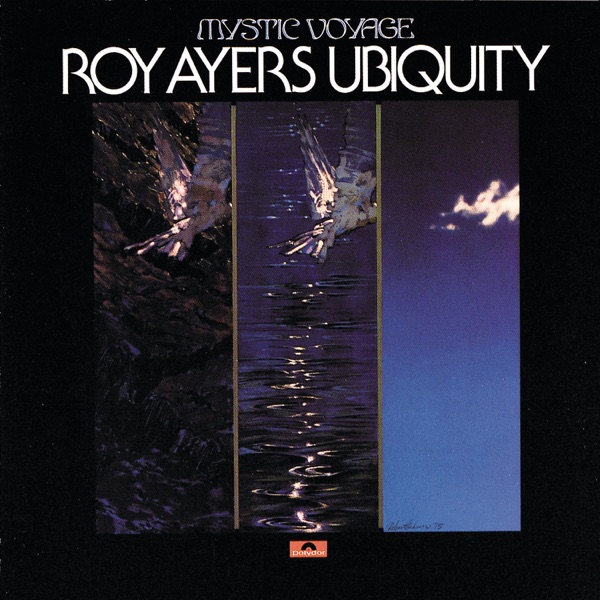
Mystic Voyage
Roy Ayers
Jazz-Funk
Roy Ayers leans into deep grooves here, vibraphone floating over basslines that stay locked and patient. "Running Away" is the obvious highlight, but the whole record moves with the same easy confidence. Horns and keys fill in around the rhythm section without crowding it, and the vocals stay light and conversational. Put it on and let the groove do the work.

No. 05
Music Is My Sanctuary
Gary Bartz
Jazz-Funk
Gary Bartz opens with the title track's steady groove, saxophone floating over a rhythm section that never lets up. The record leans funkier than his earlier work, with basslines that push forward and keys tucked neatly into the pocket. Vocals show up sparingly, mostly as texture rather than lead. It's a tight, focused set that trusts the groove to carry each track.

No. 06
Who Is This Bitch, Anyway?
Marlena Shaw
Soul
Marlena Shaw sings with real command here, backed by a full band that swings between soul, funk, and orchestral flourishes. "Street Walkin' Woman" hits hardest, with horns punching through a tight rhythm section. The arrangements are ambitious but never overstuffed, giving her voice plenty of room to lead. It's a soul record with real range, moving from grit to sweetness without losing its footing.

No. 07
Heart of the Congos
The Congos
Reggae
The Congos' harmonies sit right in the pocket of Lee Perry's thick, hazy production. Bass and drums stay deep in the mix, giving the whole record a heavy, unhurried pull. "Fisherman" shows how well the vocal blend and the rhythm section work together. It's a reggae record built on atmosphere as much as songwriting, and it rewards close listening.
No. 08
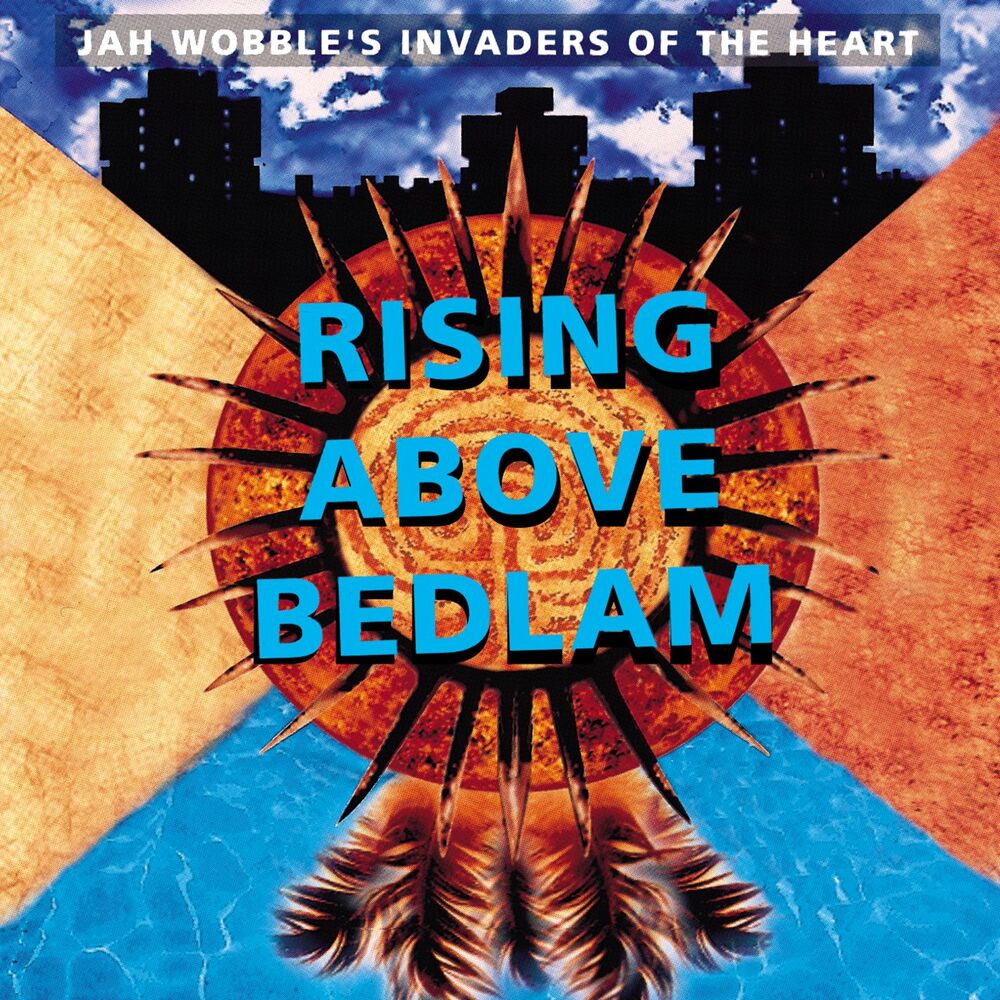
Rising Above Bedlam
Jah Wobble
Dub
Jah Wobble's bass leads everything here, thick and rubbery under layers of dub textures and world music touches. Guest vocalists come and go, but the low end stays the constant, pulling each track along at its own pace. Percussion and synth textures build without rushing, giving the record a patient, immersive feel. It's dub that reaches outward instead of staying locked into one style.

No. 09
Carboot Soul
Nightmares on Wax
Trip-Hop
Nightmares on Wax slow everything down here, built around thick bass and dusty, soul-sampled loops. "Les Nuits" sets the tone early, thick keys drifting over unhurried drums. The record never rushes toward a hook, letting grooves stretch out and breathe instead. It's late-night trip-hop that stays mellow without ever going stale.

No. 10
Soup
Bola
IDM
Bola builds intricate, textured tracks that feel more organic than most IDM of its era. Rhythms shift constantly but never feel showy, layering small percussive details until the whole track feels alive. Melodies stay understated, drifting in and out rather than announcing themselves. It's a record that works both as close listening and as background texture, depending on how much attention you give it.
No. 11
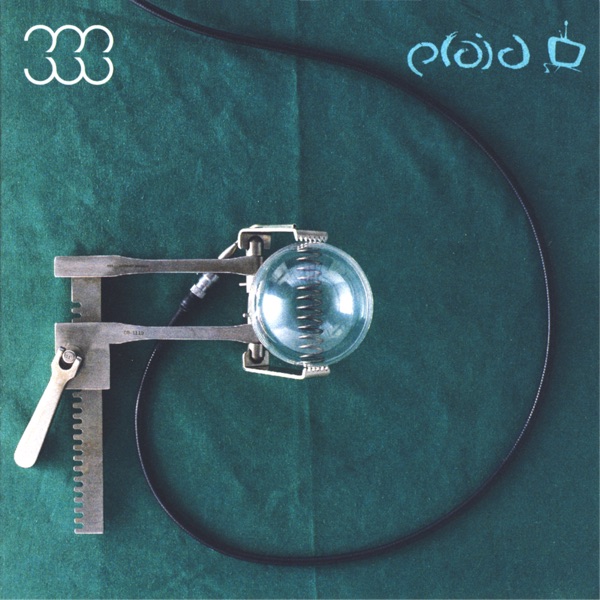
Not for Threes
Plaid
IDM
Plaid keeps things melodic here, favoring bright synth lines over the colder edges some IDM leans into. Drum programming stays intricate but musical, never feeling like it's showing off for its own sake. Tracks like "Extork" balance odd time signatures with hooks that actually stick. It's IDM built around melody as much as rhythm, and it holds up as something you can actually hum.

No. 12
Around the House
Herbert
Deep House
Herbert builds these tracks from sampled household sounds, folding them into rich, steady house grooves. Dani Siciliano's vocals float over the top, cool and understated against the clatter underneath. The production stays inventive without losing the groove, drums locked in even as the textures shift constantly. It's deep house that rewards paying attention to the small details as much as the beat.
Use the arrows above (or ← → keys) to browse previous weeks' selections
Follow along with the RSS feed, or bookmark the archive — the next twelve land every Thursday.